
Increasing Home Value: Maximizing Investments
Most Canadian first-time homebuyers in Oshawa quickly discover that home value growth depends on much more than simply timing the market. In Durham Region, factors such as school quality, transit access, and strategic upgrades can make a significant difference in your property’s appreciation. Properties with thoughtful improvements routinely outperform neighbourhood averages. For those eager to maximize investment, understanding local trends and focusing on high-return projects puts you ahead in Oshawa’s fast-changing real estate market.
Table of Contents
- Understanding Home Value in Oshawa
- Effective Upgrades That Deliver Returns
- Market Timing and Local Buyer Trends
- Navigating Permits, Codes, and Compliance
- Mistakes That Undermine Home Value
Key Takeaways

Understanding Home Value in Oshawa
As a Real Estate Agent in Oshawa, I’ve observed that properties demonstrating thoughtful upgrades and strategic enhancements consistently outperform market averages. Factors like proximity to public transit, quality of local schools, and neighbourhood infrastructure play significant roles in determining a property’s potential appreciation.
Understanding home valuation involves recognizing both macro and micro economic indicators. Homeowners can strategically increase property value through targeted renovations, maintaining excellent property conditions, and staying informed about local development plans. Fanis Makrigiannis Realty recommends focusing on high-return improvements such as kitchen and bathroom upgrades, energy-efficient installations, and curb appeal enhancements that directly contribute to marketability.
Compare key factors affecting home value in Oshawa versus Toronto:
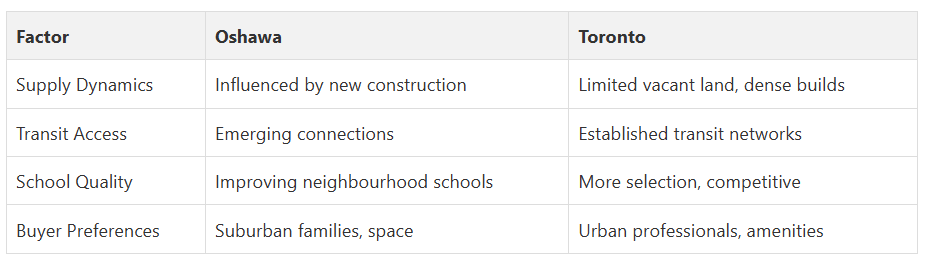
Pro tip: Before making any significant home improvements, consult a local real estate professional who understands Oshawa’s specific market nuances to ensure your investments align with current buyer preferences and neighbourhood standards.
Effective Upgrades That Deliver Returns
The most impactful home improvements typically centre on critical living spaces that potential buyers prioritize. Kitchen renovations lead the pack, with modern, functional designs offering approximately 65-80% return on investment. Bathroom updates follow closely, with strategically planned renovations delivering substantial value increases. Energy efficiency upgrades have also become increasingly important, with smart technology and sustainable improvements attracting environmentally conscious buyers and potentially increasing property marketability.

Beyond interior renovations, exterior enhancements play a crucial role in property valuation. Landscaping, updated windows, improved insulation, and refreshed exterior paint can significantly boost curb appeal and overall property value. The Canada Mortgage and Housing Corporation emphasizes that targeted, purposeful upgrades not only increase immediate property worth but also contribute to long-term asset appreciation in competitive markets like Toronto and Oshawa.
Here’s a summary of common renovation types and their typical impact on resale value:
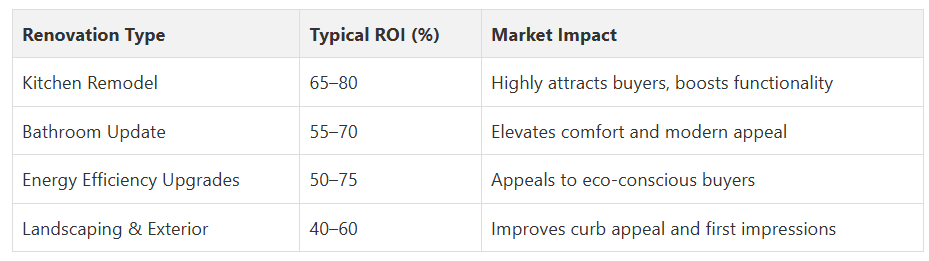
Pro tip: Before committing to major renovations, consult a local real estate professional to understand which specific improvements will yield the highest returns in your particular neighbourhood and market segment.
Market Timing and Local Buyer Trends
The current market landscape is characterized by nuanced buyer preferences and evolving demographic trends. Young professionals and families are increasingly prioritizing properties with flexible spaces, energy-efficient features, and proximity to transit corridors. Interest rates, employment opportunities, and migration patterns substantially impact buyer sentiment, creating a multifaceted environment where timing can significantly influence investment returns. Market absorption rates and inventory levels fluctuate dynamically, requiring potential sellers and buyers to remain adaptable and well-informed.
Comprehensive analysis from the Canada Mortgage and Housing Corporation indicates that local economic factors profoundly shape real estate transactions. Migration patterns, employment sectors, and regional development initiatives contribute to the intricate tapestry of market conditions. Potential investors must consider long-term trends rather than short-term fluctuations, understanding that strategic timing can optimize property value and investment potential in the Greater Toronto Area.
Pro tip: Consult a local real estate professional who specializes in your specific neighbourhood to gain granular insights into current market trends and potential investment strategies.
Navigating Permits, Codes, and Compliance
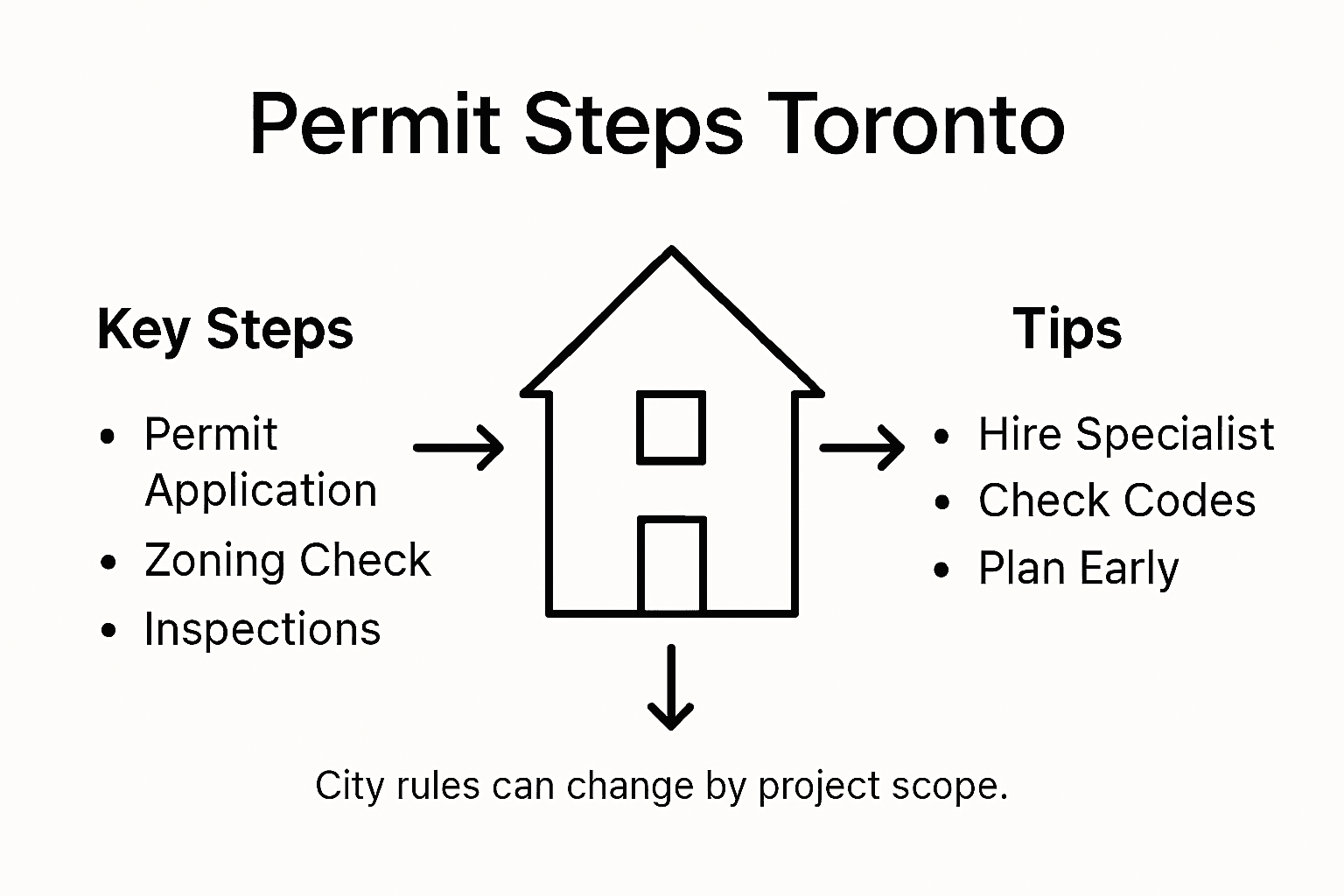
The permit process involves multiple critical steps that vary depending on the scope and nature of renovation work. Zoning restrictions play a significant role in determining what improvements can be made, with different requirements for structural changes, electrical work, plumbing modifications, and exterior alterations. Homeowners must carefully document proposed changes, prepare detailed architectural plans, and submit comprehensive applications that demonstrate adherence to the Ontario Building Code and local municipal standards.
Navigation of the permit landscape requires meticulous attention to detail and proactive planning. Different renovation types trigger varying levels of municipal scrutiny, with major structural modifications demanding more extensive review processes. Potential investors should anticipate potential inspection stages, understand required documentation, and budget additional time and resources for potential regulatory reviews. Professional consultation with local experts can help streamline the compliance process and mitigate potential delays or regulatory challenges.
Pro tip: Engage a licensed contractor or permit specialist familiar with Toronto’s specific building regulations to help you navigate the complex permit application process and ensure full compliance.
Mistakes That Undermine Home Value

One of the most significant mistakes involves over-personalization of living spaces. Highly specialized renovations that reflect individual taste rather than broader market preferences can dramatically reduce a property’s appeal.
Unique design choices like unconventional colour schemes, extremely niche architectural modifications, or hyper-personalized landscaping can alienate potential buyers and limit the property’s marketability. Potential sellers must balance personal aesthetic preferences with universal design principles that resonate with a broader audience.
Deferred maintenance represents another critical factor that can substantially undermine home value. Small issues left unaddressed can compound into significant problems that deter potential buyers and trigger negative perceptions about the overall property condition. Neglecting routine repairs, allowing cosmetic damage to accumulate, and failing to update essential systems like electrical, plumbing, and HVAC can create substantial barriers to achieving optimal market value. Strategic, proactive maintenance and thoughtful, market-aligned improvements are essential for preserving and enhancing property investment potential.
Pro tip: Consult a local real estate professional before making major renovations to ensure your improvements align with current market preferences and neighbourhood standards.
Maximize Your Toronto Investment With Expert Guidance

Take control of your real estate journey today. Visit Fanis Makrigiannis Realty to access exclusive neighbourhood insights, personalized home evaluations, and proven strategies for maximizing your investment return. Whether you are buying, selling, or improving your home, connect now to benefit from trusted advice that makes your property stand out in the competitive Toronto and Durham Region market. Don’t wait, unlock your home’s full potential with a real estate professional who knows the local market inside and out.
Frequently Asked Questions
How can I increase my home’s value through renovations?
What upgrades deliver the highest return on investment?
Why is curb appeal important for my home’s value?
How do local market trends affect home values?
About the author:

Fanis Makrigiannis is a trusted Realtor with RE/MAX Rouge River Realty Ltd., specializing in buying, selling, and leasing homes, condos, and investment properties. Known for his professionalism, market expertise, and personal approach, Fanis is a Real Estate agent in the Durham region and is committed to making every real estate journey seamless and rewarding.
He understands that each transaction represents a significant milestone and works tirelessly to deliver outstanding results.
With strong negotiation skills and a deep understanding of market trends, Fanis fosters lasting client relationships built on trust and satisfaction.
Proudly serving the City of Toronto • Ajax • Brock • Clarington • Oshawa • Pickering • Scugog • Uxbridge • Whitby • Prince Edward County • Hastings County • Northumberland County • Peterborough County • Kawartha Lakes
Recommended
- Renovation Tips to Increase Your Home’s Value - Fanis Makrigiannis Realtor®
- How to Increase Property Value in Toronto & Durham 2025 - Fanis Makrigiannis Realtor®
- Home Upgrades for Maximum Value in 2025 - Fanis Makrigiannis Realtor®
- Why Real Estate Investing Matters in Toronto & Durham 2025 - Fanis Makrigiannis Realtor®