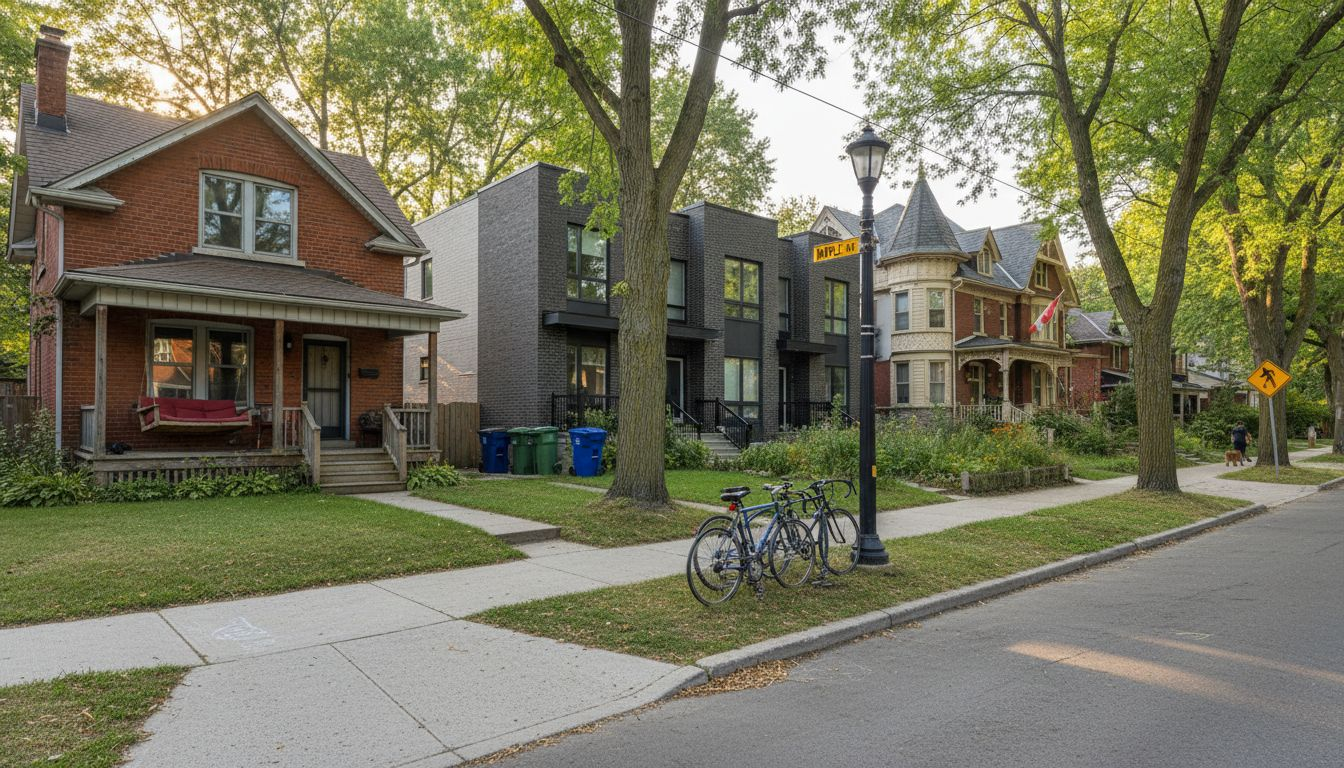
7 Home Styles in Toronto and Durham Region
Dreaming of a place to call your own is a truly Canadian milestone, especially for first-time homebuyers in Durham Region. More than forty percent of new purchasers in Oshawa say choosing the right home style feels overwhelming, as each property type brings its own mix of benefits and challenges. Understanding what options exist in your local market can make all the difference when it comes to privacy, investment potential, or long-term comfort.
Table of Contents
- 1. Detached Homes: Classic Space and Privacy
- 2. Semi-Detached Homes: Balanced Living and Value
- 3. Townhomes: Affordable Multi-Level Options
- 4. Condominiums: Low-Maintenance Urban Lifestyle
- 5. Bungalows: Single-Storey Ease for All Ages
- 6. Duplexes and Triplexes: Smart Investment Potential
- 7. Heritage and Character Homes: History with Charm
Quick Summary

1. Detached Homes: Classic Space and Privacy
A detached home distinguishes itself by standing independently without sharing walls with neighbouring properties. This architectural design provides significant advantages for families seeking personal space and autonomy. Unlike townhouses or condominiums, detached homes grant owners full flexibility to modify exteriors, landscaping, and architectural elements without requiring consensus from a shared community.
Typically situated in suburban neighbourhoods, these homes offer generous lot sizes that enable expansive backyards, garden spaces, and potential future expansions. The separation from neighbouring structures means reduced noise transmission and enhanced personal privacy, a critical consideration for many Canadian homeowners.
Financially, detached homes often represent a substantial investment with strong potential for long-term appreciation. Their standalone nature and ability to accommodate renovations or additions make them attractive to buyers seeking a property that can evolve with their changing lifestyle needs.
When considering a detached home, prospective buyers should evaluate factors like lot size, potential for future development, neighbourhood infrastructure, and municipal zoning regulations. Understanding these elements helps ensure the property aligns with both current and future living requirements.
Pro tip: Before purchasing a detached home, conduct a comprehensive property survey to understand exact boundary lines, potential easements, and any restrictions on future modifications.

2. Semi-Detached Homes: Balanced Living and Value
A semi-detached home connects two individual residences through a shared central wall, creating a distinctive housing configuration that maximizes urban living efficiency. Typically found in established Toronto neighbourhoods, these homes provide more privacy and space compared to townhouses while remaining more financially accessible than fully detached properties.
The architectural design of semi-detached homes allows for significant individual customization. Each residence maintains its own distinct entrance, outdoor space, and structural integrity while benefiting from shared construction costs. This arrangement translates into lower overall building and maintenance expenses for homeowners.
For first-time buyers, semi-detached homes present several strategic advantages. They often feature larger lot sizes than condominiums, enabling personal gardens, parking spaces, and potential future renovations. The shared wall construction also provides improved thermal efficiency, potentially reducing heating and cooling expenses compared to standalone structures.
Geographically, semi-detached homes are prevalent in Toronto’s older urban districts and suburban developments, particularly in areas with pre-war and post-war housing stock. Their adaptable nature makes them attractive to diverse demographic groups, from young professionals to growing families seeking practical urban living solutions.
Pro tip: When considering a semi-detached home, carefully inspect the shared wall for structural integrity and discuss potential soundproofing options to ensure optimal privacy and comfort.
3. Townhomes: Affordable Multi-Level Options
A townhome is characteristically designed as a narrow, multi-storey dwelling connected to neighbouring units through shared walls. This architectural approach allows for efficient land use while providing homeowners with a sense of individual ownership and privacy that differs significantly from apartment living.

The Greater Toronto Area features numerous townhome developments strategically positioned to support modern urban lifestyles.
These properties typically offer two or three levels of living space, private entrances, and sometimes small yards or patios.
The vertical design enables families and individuals to enjoy substantial square footage without the higher costs associated with detached homes.
Financially, townhomes present an attractive entry point into homeownership.
They are generally more affordable than standalone houses while offering more space and customization options than condominiums.
Many developments are located in mixed-use neighbourhoods with convenient access to public transit, local amenities, and community infrastructure.
First-time buyers will appreciate the townhome model’s balance between affordability, space, and community integration. The shared wall construction also contributes to improved energy efficiency, potentially reducing utility costs compared to larger standalone properties.
Pro tip: When evaluating townhomes, carefully assess the strata or homeowners association bylaws to understand shared maintenance responsibilities and potential restrictions on modifications.
4. Condominiums: Low-Maintenance Urban Lifestyle

A condominium involves owning an individual unit within a larger residential building while sharing common spaces and amenities with fellow residents. This ownership model provides significant advantages for those wanting to enter the Toronto housing market without the extensive maintenance responsibilities of traditional standalone homes.
Modern Toronto condominiums often feature amenities that extend far beyond individual unit living. Residents typically enjoy access to shared facilities such as fitness centres, swimming pools, rooftop terraces, and secure parking areas. These communal spaces create opportunities for social interaction and enhance overall lifestyle quality without requiring personal upkeep.
Financially, condominiums present an attractive entry point for first-time buyers. They generally offer lower initial purchase prices compared to detached homes and distribute maintenance costs across the entire building through monthly strata fees. This approach reduces individual financial burden while ensuring professional management of building infrastructure and common areas.
The Toronto housing market has witnessed significant condominium development, particularly in downtown and emerging urban neighbourhoods. These developments increasingly incorporate sustainable design principles, with many buildings now integrating energy-efficient systems and supporting urban environmental initiatives.
Pro tip: Before purchasing a condominium, carefully review the strata bylaws and financial statements to understand maintenance fees, reserve funds, and potential future assessment costs.
5. Bungalows: Single-Storey Ease for All Ages
A bungalow is characteristically designed with all primary living spaces situated on one level, creating an environment that supports seamless movement and minimizes physical barriers. This architectural approach makes bungalows particularly appealing to first-time buyers, young families, and individuals planning for long-term residential stability.
The unique layout of bungalows offers significant advantages for aging in place. With no stairs between living areas, these homes naturally support mobility and can be easily modified to accommodate changing physical needs. Large windows and spacious floor plans contribute to an open, adaptable living environment that can evolve with homeowners over time.
Torontonian neighbourhoods feature numerous bungalow styles, ranging from compact post-war designs to more expansive modern interpretations. These homes often include generous front porches, attached garages, and opportunities for future expansion through basement development or attic conversions. Their architectural flexibility makes them an attractive option for buyers seeking long-term residential investments.
Environmentally conscious buyers will appreciate that bungalow designs align well with sustainable housing principles. Their compact footprint and potential for energy-efficient retrofitting make them an environmentally responsible choice within Toronto’s residential landscape.
Pro tip: When considering a bungalow, evaluate the potential for future accessibility modifications and check zoning regulations that might impact potential home expansions.
6. Duplexes and Triplexes: Smart Investment Potential
A duplex or triplex allows owners to live in one unit while generating rental income from the additional units. This innovative housing model enables homeowners to offset mortgage costs and build equity more rapidly than traditional single-unit properties. The versatility of these properties makes them particularly attractive for young professionals and entrepreneurial first-time buyers.
Toronto’s housing regulations support the development of these multi-unit dwellings, recognizing their importance in creating gentle density within established neighbourhoods. Each unit typically features independent living spaces with separate entrances, providing privacy for both the owner and potential tenants. The design allows for maximum flexibility, enabling owners to adapt their living arrangements as personal and financial circumstances change.
Financially, duplexes and triplexes present a compelling investment strategy. The ability to generate rental income can significantly reduce overall housing expenses. Potential owners should carefully evaluate factors such as location, rental market demand, and potential renovation opportunities to maximize their investment potential.
Regulatory considerations are crucial when exploring these property types. Recent changes in building codes have established clear guidelines for fire safety and unit separation, ensuring the structural integrity and safety of multi-unit dwellings. This provides additional peace of mind for prospective buyers considering this innovative housing option.
Pro tip: Before purchasing a duplex or triplex, conduct a comprehensive financial analysis that includes potential rental income, maintenance costs, and local zoning regulations to ensure a sound investment strategy.
7. Heritage and Character Homes: History with Charm
A heritage home in Toronto encompasses architectural styles from the 19th and early 20th centuries, including Victorian, Edwardian, Georgian, and distinctive bay and gable designs. Each property serves as a tangible connection to the city’s rich architectural evolution, featuring intricate details like ornate woodwork, stained glass windows, and carefully crafted exterior elements that modern constructions rarely replicate.
Buying a heritage home involves more than purchasing a property; it means becoming a steward of historical architectural integrity. Many of these homes are located within designated heritage conservation districts, which provide additional protection and guidelines for maintaining their original character. This designation can offer both challenges and opportunities for homeowners committed to preserving architectural authenticity.
Financially, heritage homes can be compelling investments. Their unique characteristics are often appreciated differently from standard properties, potentially offering strong long-term value. Buyers should consider potential restoration costs, understand zoning regulations, and explore heritage preservation grants that might support maintenance of these special properties.
Modern homeowners can successfully blend historical charm with contemporary living by carefully planning renovations that respect the home’s original architecture. This might involve working with conservation experts, selecting period-appropriate materials, and understanding the structural nuances of older building techniques.
Pro tip: Before purchasing a heritage home, conduct a comprehensive structural assessment and consult with local heritage preservation experts to understand potential restoration requirements and associated costs.
Below is a comprehensive table summarizing the main housing options discussed in the article and their respective features, benefits, and considerations for first-time homebuyers in Toronto.


Discover Your Ideal Toronto Home with Expert Guidance
At Fanis Makrigiannis Real Estate, we specialize in helping first-time buyers unlock Toronto’s housing possibilities with confidence. From detailed neighbourhood insights to personalized buying strategies, our platform offers everything you need to make informed choices on homes like bungalows, townhomes, and heritage properties.

Let us help you move past uncertainty and take control of your first home purchase. Visit Fanis Makrigiannis Real Estate now to explore current listings, get expert advice tailored to your goals, and start your journey toward owning a home in Toronto or the Durham Region today.
Frequently Asked Questions
What are the advantages of buying a detached home as a first-time buyer in Toronto?
How do semi-detached homes differ from townhomes for first-time buyers?
What should I look for when considering a condominium as a first-time homeowner?
Are duplexes or triplexes a good investment for first-time buyers in Toronto?
How can I determine if a heritage home is the right choice for me?
About the author:

Fanis Makrigiannis is a trusted Realtor with RE/MAX Rouge River Realty Ltd., specializing in buying, selling, and leasing homes, condos, and investment properties. Known for his professionalism, market expertise, and personal approach, Fanis is a Real Estate agent in the Durham region and is committed to making every real estate journey seamless and rewarding.
He understands that each transaction represents a significant milestone and works tirelessly to deliver outstanding results.
With strong negotiation skills and a deep understanding of market trends, Fanis fosters lasting client relationships built on trust and satisfaction.
Proudly serving the City of Toronto • Ajax • Brock • Clarington • Oshawa • Pickering • Scugog • Uxbridge • Whitby • Prince Edward County • Hastings County • Northumberland County • Peterborough County • Kawartha Lakes
Recommended
- First-Time Buyer Tips for Toronto & Durham Homes 2025 - Fanis Makrigiannis Realtor®
- Top Common Homebuyer Questions in Toronto & Durham 2025 - Fanis Makrigiannis Realtor®
- Real Estate Buying in Ontario: Avoid Common Pitfalls - Fanis Makrigiannis Realtor®
- 7 Key Challenges in Home Buying and How to Overcome Them - Fanis Makrigiannis Realtor®
- 5 Ways Real Estate Can Benefit from VR Video - Kicker Video
- - Smart Homes: Latest Trends, Innovations in technology