2026 Home Marketing Trends: What Buyers Need Now
Most Canadian first-time homebuyers are discovering that more than 60 percent of properties in Oshawa and Whitby now rely on AI-driven marketing tools. This shift is reshaping the way homes are listed and sold, making the market more competitive and dynamic. Understanding the new marketing trends for 2026 can help you spot the best opportunities and avoid common pitfalls as you make one of the biggest decisions of your life.
Table of Contents
- Defining 2026 Home Marketing Trends In Canada
- Types Of Properties And Regional Differences
- Interest Rates, Inventory And Price Movements
- Marketing, Negotiation And Buying Strategies
- Risks, Common Mistakes And Market Timing
- Legal Considerations For Buyers In Ontario
Key Takeaways

Defining 2026 home marketing trends in Canada
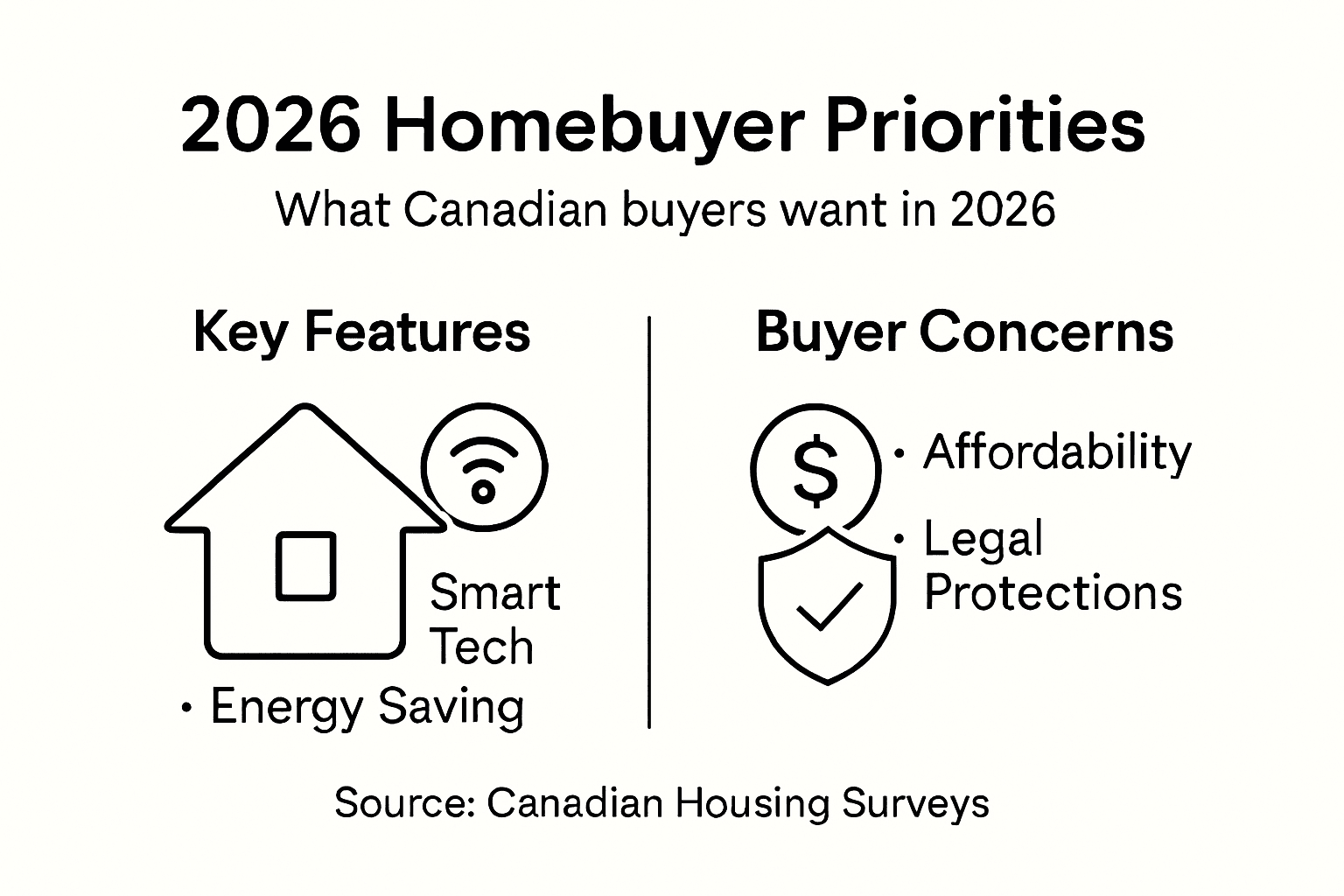
Digital technologies are reshaping how properties are marketed, with artificial intelligence and data-driven strategies becoming central to successful real estate campaigns. The integration of AI tools enables more personalized property recommendations, virtual tours, and targeted marketing that speaks directly to individual buyer preferences. These technological advancements allow realtors to create more immersive, engaging experiences that go beyond static listings and traditional open house models.
Consumer behaviour in the Canadian housing market is also undergoing significant shifts. Buyers are now seeking authenticity, community connection, and transparent communication from real estate professionals. AI-powered marketing strategies are emerging as critical tools for meeting these expectations, enabling more nuanced, responsive engagement that resonates with modern homebuyers. This includes leveraging short-form video content, user-generated testimonials, and data-driven insights that demonstrate a deep understanding of local market dynamics.
Pro Tip: Research potential neighbourhoods thoroughly and use AI-enabled tools to gain comprehensive insights before making your home-buying decision.
Types of properties and regional differences
In urban centres, high-density housing options are becoming increasingly prevalent. Condominiums, townhouses, and apartment complexes are gaining prominence as solutions to housing affordability challenges. These property types offer more accessible entry points for first-time homebuyers and young professionals seeking proximity to employment centres and urban amenities. Conversely, suburban and rural regions continue to demonstrate strong demand for traditional single-family homes, which provide more space and a sense of privacy that many Canadian families prioritize. Regional real estate trends reveal nuanced market characteristics across provinces. Western provinces like British Columbia and Alberta show different property development patterns compared to Eastern regions such as Ontario and Quebec, influenced by local economic conditions, population growth, and infrastructure investments. Immigration patterns, employment opportunities, and provincial regulations substantially impact the types of properties being developed and the marketing strategies employed by real estate professionals.
Regional real estate trends reveal nuanced market characteristics across provinces. Western provinces like British Columbia and Alberta show different property development patterns compared to Eastern regions such as Ontario and Quebec, influenced by local economic conditions, population growth, and infrastructure investments. Immigration patterns, employment opportunities, and provincial regulations substantially impact the types of properties being developed and the marketing strategies employed by real estate professionals.Pro Tip: Research local zoning regulations and future development plans in your target neighbourhood to understand potential property value and transformation opportunities.
Here’s how urban and suburban Canadian property types differ in accessibility and appeal:

Interest rates, inventory and price movements
The Canadian real estate market continues to grapple with tight inventory challenges, as homeowners who secured historically low mortgage rates during the pandemic remain hesitant to list their properties. This reluctance creates a unique supply constraint that significantly impacts pricing dynamics. Prospective buyers face a market where competition remains fierce, particularly in urban centres like Toronto and Vancouver, where demand consistently outpaces available housing stock.
Global economic pressures are reshaping housing affordability across Canadian provinces. Credit tightening and increased debt servicing costs are moderating price growth, with some regions experiencing subtle price corrections. However, the underlying scarcity of homes continues to provide a foundational support for property values, creating a delicate balance between affordability challenges and investment potential for discerning buyers.
Pro Tip: Monitor mortgage pre-approval rates and maintain a flexible financial strategy to navigate the nuanced 2026 housing market.
Marketing, negotiation and buying strategies

Modern home buying requires a multifaceted approach that combines market intelligence with emotional intelligence.
Buyers need to demonstrate a deep understanding of local market conditions while simultaneously presenting themselves as serious, reliable potential purchasers.
This involves preparing comprehensive documentation, understanding precise property valuations, and developing flexible negotiation strategies that can adapt to the unique circumstances of each seller and market fluctuations.
Creative negotiation techniques have become increasingly important in navigating the complex Canadian housing market.
These may include structuring conditional offers, proposing flexible closing dates, or incorporating breakup fees that provide protection and demonstrate commitment.
The most successful buyers will blend data-driven insights with empathetic communication, understanding that each real estate transaction represents a significant emotional and financial journey for all parties involved.
Pro Tip: Develop a comprehensive buyer profile that highlights your financial stability, flexibility, and genuine commitment to the transaction.
Risks, common mistakes and market timing
Economic uncertainties in 2026 demand strategic financial planning and deep market comprehension. Buyers frequently make critical errors such as rushing purchases during market peaks, neglecting comprehensive financial assessments, or underestimating the impact of interest rate fluctuations. The most prudent approach involves developing a holistic understanding of personal financial capacity, regional market dynamics, and long-term investment potential rather than pursuing short-term speculative gains.
Market timing challenges require buyers to balance cautious analysis with strategic decision-making. Regional disparities in Canadian real estate markets mean that national trends cannot be uniformly applied, necessitating localized research and expert consultation. Successful buyers will distinguish themselves by maintaining financial flexibility, conducting thorough due diligence, and developing adaptable purchasing strategies that can withstand potential economic fluctuations.
Pro Tip: Develop a comprehensive financial buffer that allows you to withstand potential market volatility and unexpected economic shifts.
This table summarizes key risks and common mistakes faced by Canadian homebuyers in 2026:

Legal considerations for buyers in Ontario
Navigating the legal complexities of real estate purchases requires comprehensive knowledge of provincial regulations and potential risks. Buyers must conduct thorough title searches, understand conditional clauses in purchase agreements, and ensure complete compliance with local municipal bylaws and provincial property transfer regulations. This involves meticulously reviewing all documentation, verifying property boundaries, and confirming there are no outstanding legal encumbrances that could compromise the property’s transferability.
For buyers seeking additional legal guidance, free legal resources are available to help navigate complex real estate transactions. These services provide critical support in understanding contractual nuances, interpreting legal terminology, and ensuring buyers make informed decisions that protect their financial and property interests. Professional legal consultation can help mitigate potential risks and provide clarity on the complex legal landscape of Ontario real estate purchases.
Pro Tip: Engage a local real estate lawyer specializing in Ontario property law to review all purchase documents before finalizing your transaction.
Navigate 2026 Home Buying with Confidence and Expert Guidance

Discover comprehensive neighbourhood insights, up-to-date property listings, and expert home-buying guides designed to empower you. Acting now means positioning yourself ahead of market fluctuations with a trusted Realtor® dedicated to Toronto, Durham Region, and the surrounding areas. Explore how innovative marketing trends meet personalized service at Fanis Makrigiannis Real Estate, and start your journey with confidence today.
Frequently Asked Questions
What are the key marketing trends for homebuyers in 2026?
How has technology impacted home marketing strategies?
What types of properties are trending in urban versus suburban areas?
What should homebuyers know about the legal considerations during property transactions?
Recommended
- Home Selling Tips for Toronto and Durham 2025 - Fanis Makrigiannis Realtor®
- Seasonal Home Selling Tips: Toronto and Durham Region 2025 - Fanis Makrigiannis Realtor®
- Real Estate Technology Trends 2025 for Toronto and Durham Homes - Fanis Makrigiannis Realtor®
- How to Market a Property in Toronto & Durham Region 2025 - Fanis Makrigiannis Realtor®
- Mastering Micro-Moments: Capture Short Attention Spans
- Top Digital Product Ideas for Beginners in 2025 | siift