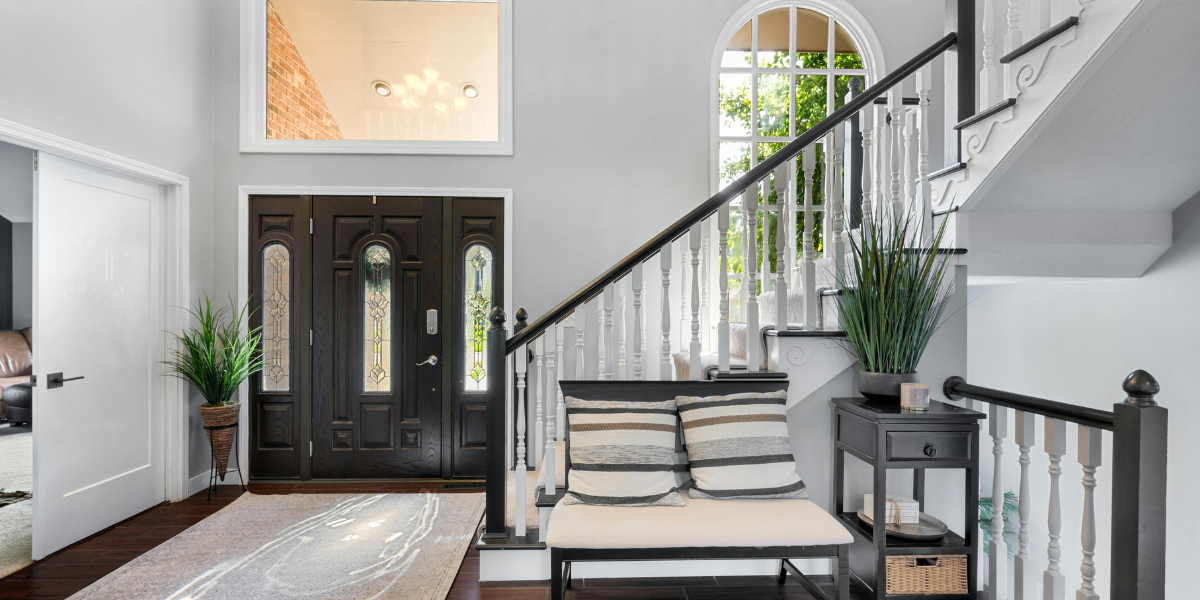
Staging Tips for Home Sellers
Think about it: buyers make decisions fast, sometimes in just seconds online. You need to make sure your listing photos are absolutely stunning, because 95% of buyers start their search online. You're not just selling a house; you're selling a lifestyle, a dream. Don't underestimate the power of a well-staged home to make that dream feel real for potential buyers.
Think about it - you want to sell your home fast, right? Staged homes sell a whopping 73% faster than unstaged ones, often finding a buyer in just 23 days, compared to 40 days for unstaged properties. That's a huge difference when you're ready to move on.
You might be thinking staging is just another expense. But for every $1 you invest, you could see $3 to $4 returned, with an overall ROI of 8-10 times the cost. Some sellers even see jumps of up to 23% over the listing price - that's some serious cash!
When you're deciding where to put your staging efforts, you don't need to tackle every single room. Buyers' agents report that the living room (37%), primary bedroom (34%), and kitchen (23%) are the most critical spaces that influence a sale. Imagine a potential buyer walking into your living room and immediately feeling at home - that's what we're aiming for!
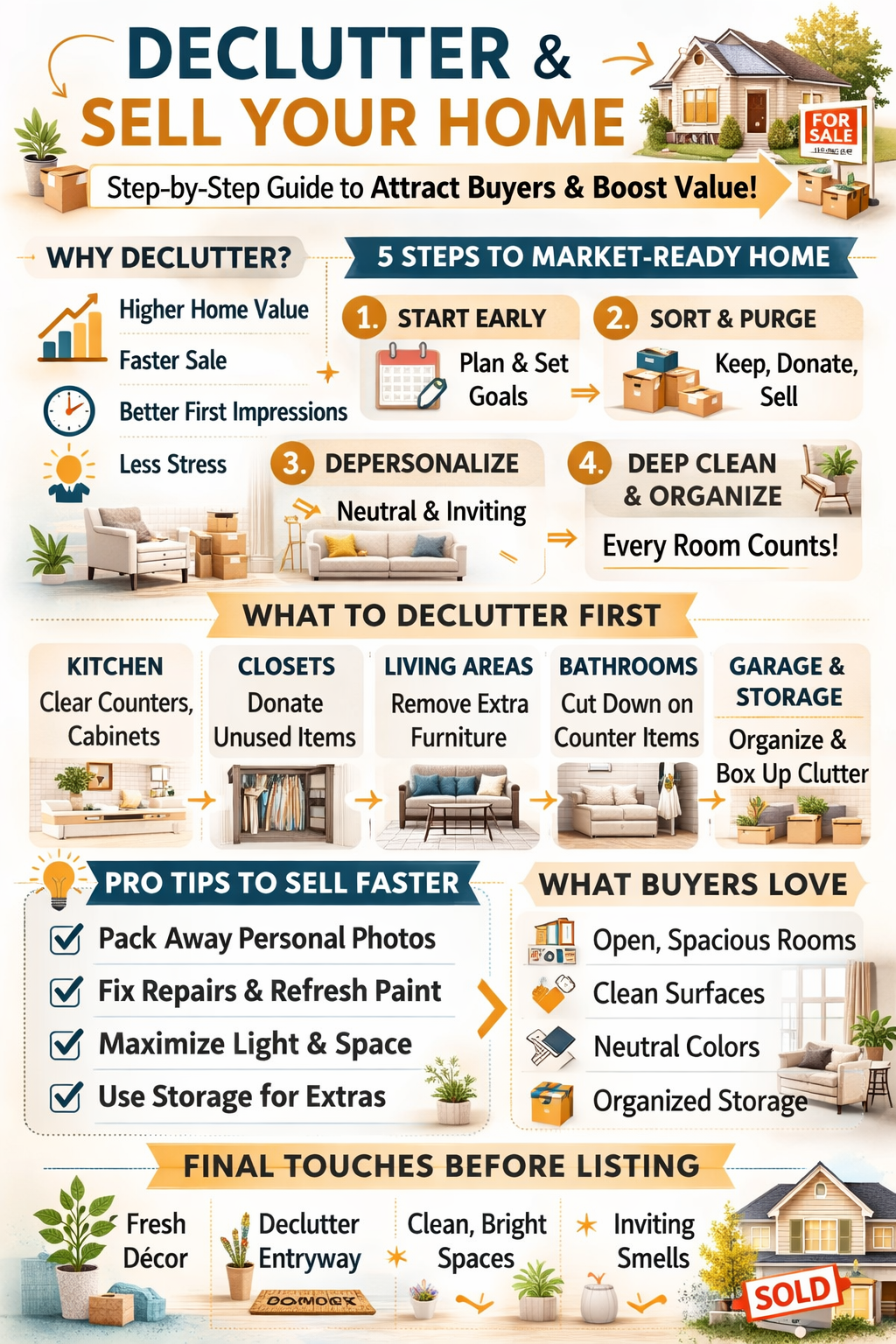
You’ve probably heard some wild ideas about home staging, right?
Decorating your home is super personal, totally about "you". Staging, though, is all about turning your house into a product for a broad audience. It’s a complete shift in perspective, making your space appealing to potential buyers.
Many homeowners think they can wait until their house isn't selling to stage it. But that’s a huge misstep. You need that immediate impact the moment your home hits the market.
Barb Schwarz, the genius who invented staging, always stressed creating emotional connections and highlighting a home's full potential. So, what are the absolute, non-negotiable must-dos? It boils down to a few simple, yet incredibly impactful steps that won't break the bank but will make a world of difference to potential buyers. You've got to think about what buyers see, feel, and imagine when they walk through your door.
Ready to make your home feel huge and inviting? Decluttering and deep cleaning are the cheapest, most effective steps. Seriously, most pros recommend you get rid of 50% of your furniture! This creates open space and helps buyers visualize their own life there, which is exactly what you want.
Wondering how to make every room feel bigger and brighter? Using neutral paint colours like Accessible Beige or Gossamer Veil is a game-changer. And when arranging furniture, always highlight focal points like a cozy fireplace or that amazing view - never, ever put the back of a piece towards an entryway. It just feels... off.
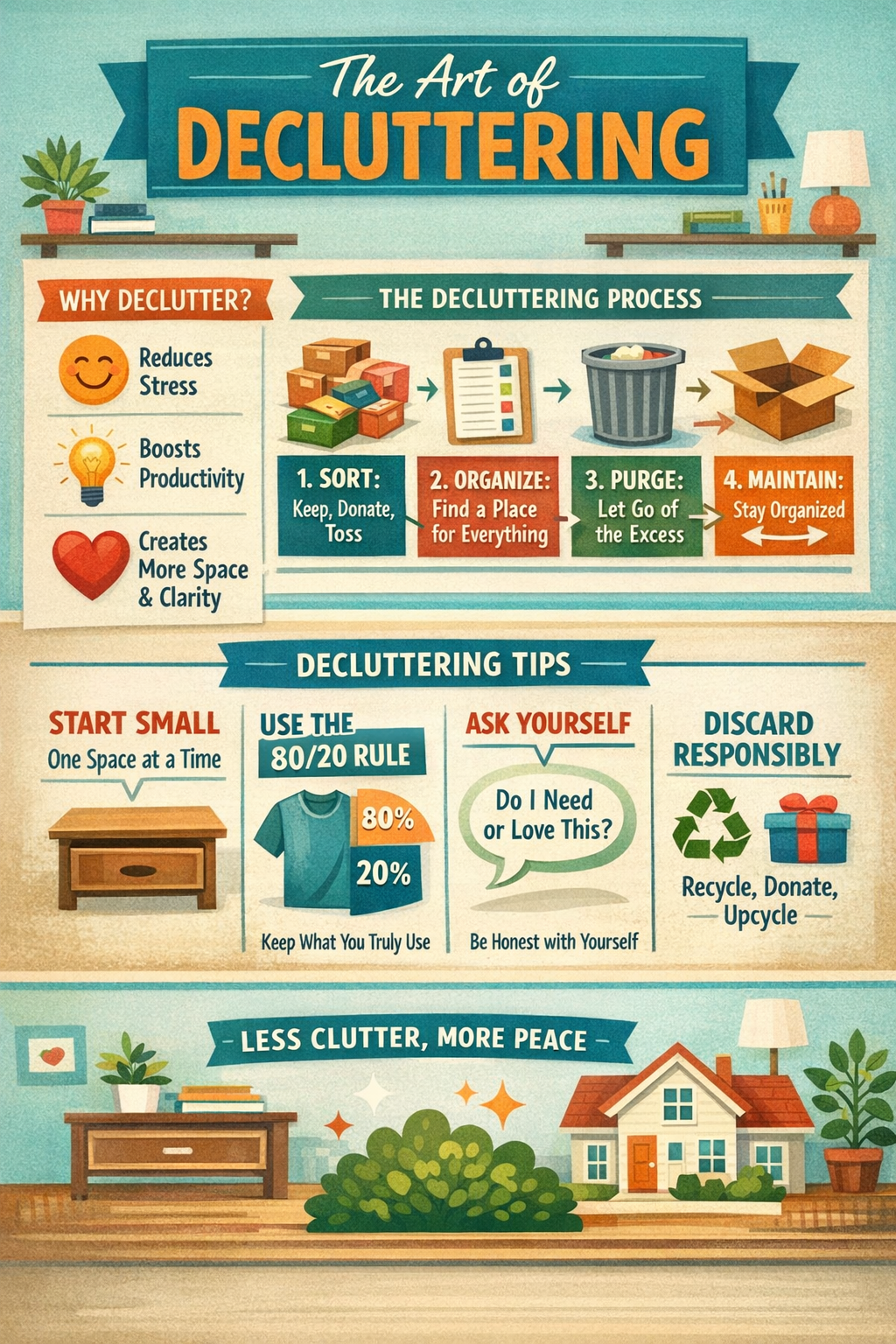
Figuring out what buyers want can feel like a moving target, right? Expert Nikki Watson has some fantastic advice: stick with a neutral base for your furniture and then sprinkle in those fun, trendy accents.
You might feel a little overwhelmed by all the staging terms, right? Don't stress, it's pretty straightforward. You'll hear about "vignettes," which are just those cute little arrangements of decor that set a mood. Then there's understanding the "tonal range" of your colours, and the big difference between "occupied staging" and "vacant staging."

Stagers often create "vignettes," which are small, styled decor groups setting a specific mood. You'll also hear about getting the "tonal range" of your colours just right. And for those bathrooms?
Understanding the difference between "occupied staging" and "vacant staging" is crucial. "Occupied staging" means a pro uses your existing furniture, often adding new "props" like cushions for a "redesign."
A: A lot of people think staging is just about making a house look pretty, or that it's an unnecessary expense, especially if the market's hot. But that's a big misunderstanding. Staging is totally different from decorating! When you decorate, you're making your home perfect for *you* and your family, filling it with things you love and memories. Staging, on the other hand, is all about transforming your house into a product that appeals to the widest possible range of buyers. It's about depersonalizing and highlighting the property's best features so potential buyers can easily imagine themselves living there.
A: That's a really common concern, and it's a great question! Nobody wants their home to look like a sterile showroom, even when staging. The trick is to find that sweet spot between depersonalization and creating a warm, inviting atmosphere. You want buyers to feel a connection, an emotional pull, not just walk through an empty shell.
Why staging is actually a big deal
The massive ROI you're probably missing out on
Which rooms should you actually focus on first?
Focusing your staging energy on these key areas, like the living room (37%), the primary bedroom (34%), and the kitchen (23%), gives you the biggest bang for your buck. These are the spaces where buyers spend the most time and truly visualize their future life.
No need to stress about the guest room, since it's the least important at just 7%. Here's a breakdown of the most impactful rooms for staging.
Most Critical Rooms for Staging * Living Room: 37% * Primary Bedroom: 34% * Kitchen: 23% * Dining Room: 18% * Bathroom: 17% * Kids' Bedroom: 11% * Guest Room: 7%
Let's be real about these staging myths.
It's time to clear the air because a lot of what's out there is just plain wrong. For more insights, check out Staging Tips For Selling (Or Just Simplifying!) Your House.
Why is it not the same as decorating your house
The mistake of waiting until the house sits on the market
Waiting until your house has been sitting there, not getting offers, means you've already lost that crucial first impression. Staging isn't a last-ditch effort; it's a powerful proactive strategy that's actually cheaper than your first price reduction. You want buyers to fall in love instantly, not after weeks of wondering why no one else has.
My take on the absolute crucials
The magic of decluttering and the 50% furniture rule
Picking the right neutral colours and furniture spots
Imagine walking into a room that feels spacious, clean, and ready for "your" life to begin there. That's the power of strategic colour and furniture placement. Neutral tones don't just expand a room visually; they create a blank canvas, allowing buyers to easily picture their personal style fitting right in. Think about how a strategically placed sofa can draw the eye towards a beautiful bay window, or how a clear path from the front door instantly makes a space feel welcoming, rather than cramped. It's all about guiding the buyer's eye and making them feel at home, even if it's not "their" home yet.
It's also super important to depersonalize - take down those cherished family photos so buyers can truly see themselves living there, not just visiting your house.
And hey, before you even open your doors for a showing, don't forget curb appeal and fixing those annoying little things, like a leaky faucet or paint chips; those small details can really detract from a buyer's first impression.
What's trending and what's just classic?
You'll also want to consider that buyers are really keen on things like eco-friendly materials, biophilic design with lots of plants, and those clever multi-functional spaces, like a guest room that also works as an office. For more great ideas, check out How to Stage Your House for Sale.
You know, those stark, cold aesthetics? They're out. Buyers are drawn to "cozy minimalism" now, embracing warm, earthy colours like terracotta and deep greens. Biophilic design, with its emphasis on plants and natural elements, creates that calming, inviting atmosphere everyone's looking for.
Why biophilic design and earthy tones are winning
The real deal about the lingo you'll hear
A "redesign" means a pro uses your current items but adds new touches like throws. Always go for a "spa-like" feel in the bathroom with white towels, and remember, a consultation is the first step where a pro helps your property pop with accent lighting.
From vignettes to the "spa-like" bathroom vibe
Always aim for a "spa-like" feel with clean, white towels to truly impress buyers.
Occupied vs. vacant staging and why it matters.
"Vacant staging," however, involves bringing in all new furniture and decor.
Knowing the difference between "occupied" and "vacant" staging really impacts how your home shows.
If you're living there, it's occupied staging, and a pro will work with your current belongings, maybe adding a few fresh "props" like throws or cushions to complete a "redesign." This can save you money, as you're not renting all new furniture.
When a home is vacant, it's an empty canvas, allowing stagers to bring in everything, creating a complete vision that helps buyers imagine themselves living there without seeing your personal items. Both aim to make your property shine, but the approach changes significantly.
FAQ's
Q: Is home staging really worth the money, or is it just a fancy decorating trend?
Q: How can I make my home feel modern and appealing without making it look generic or cold? I've heard some staged homes just feel... empty.
One fantastic way to do this is by incorporating biophilic design elements. What's that mean? Basically, bring the outdoors in! Think natural materials like wood and stone, woven textiles, and especially live plants.
About the author:

Fanis Makrigiannis is a trusted Realtor with Revel Realty Inc., specializing in buying, selling, and leasing homes, condos, and investment properties. Known for his professionalism, market expertise, and personal approach, Fanis is a Real Estate agent in the Durham region and is committed to making every real estate journey seamless and rewarding.
He understands that each transaction represents a significant milestone and works tirelessly to deliver outstanding results.
With strong negotiation skills and a deep understanding of market trends, Fanis fosters lasting client relationships built on trust and satisfaction.
Proudly serving the City of Toronto • Ajax • Brock • Clarington • Oshawa • Pickering • Scugog • Uxbridge • Whitby • Prince Edward County • Hastings County • Northumberland County • Peterborough County • Kawartha Lakes
Recommended
- 7 Real Estate Investing Tips for Buyers in Durham Region - Fanis Makrigiannis Realtor®
- Why Invest in Durham Region Real Estate Now - Fanis Makrigiannis Realtor®
- Why Buy in Durham Region 2025 - Fanis Makrigiannis Realtor®
- Why Real Estate Investing Matters in Toronto & Durham 2025 - Fanis Makrigiannis Realtor®