Home Staging Tips that Actually Work
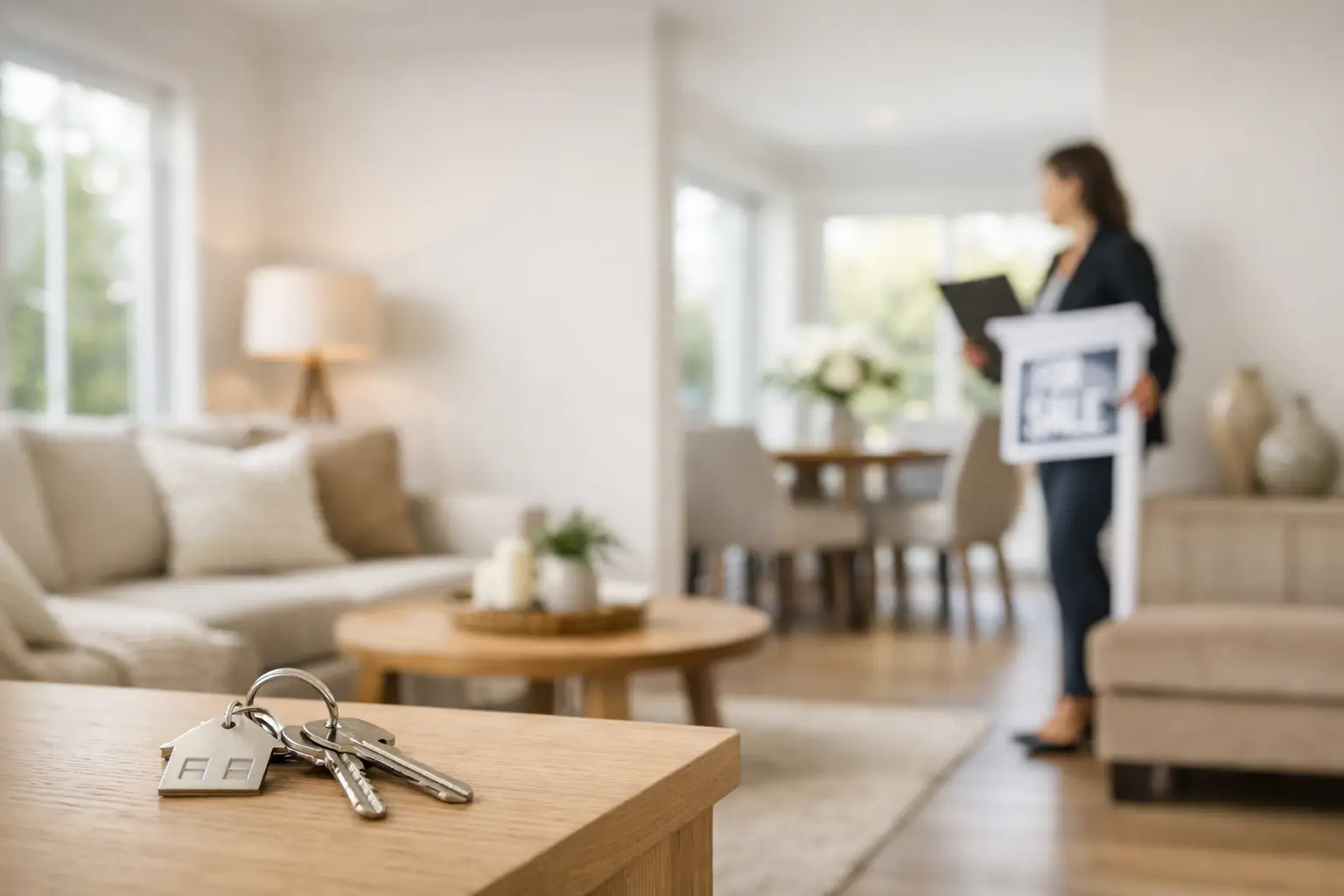
In a competitive market, staging helps your listing look better online, show better in person, and often feel more move-in ready than similar homes nearby. It does not mean spending a fortune or turning your place into a furniture showroom. Most of the time, the best results come from focused changes that make the home look cleaner, brighter, larger, and better cared for.
Home staging tips that work
That matters even more when buyers are stretched on budget or nervous about interest rates. If a home feels like a project, they often lower their offer to protect themselves. If it feels ready, they are more comfortable acting quickly.
There is a trade-off, of course. Not every home needs full-service staging. In some cases, light preparation is enough. In others, especially vacant homes or homes with very personalized decor, stronger staging can make a meaningful difference in both speed and buyer response.
Start with what buyers notice first
Curb appeal is still part of staging, even if most buyers first see the home on their phone. The exterior sets expectations before they walk through the front door. If the outside feels neglected, buyers assume the inside may be the same.
Cut back overgrowth, sweep walkways, replace the doormat, and make sure the front door looks fresh. If the paint is chipped or the hardware is dated and worn, small updates can go a long way. You are not trying to create drama. You are trying to signal that the home has been cared for.
Once inside, the entry should feel open and easy. If shoes, coats, or bags pile up near the door, clear them out before photos and showings. A cramped entrance makes the whole home feel tighter than it is.
Declutter like you are moving, not cleaning
One of the most effective home staging tips for selling fast is also the least glamorous: remove more than you think you need to. Decluttering is not about tidying up. It is about editing the home so that the space itself becomes the focus.
Packed bookshelves, overfilled closets, crowded kitchen counters, and too much furniture all make rooms feel smaller. Buyers open closets and cabinets. If those spaces are stuffed, it suggests the home lacks storage.
 A good rule is to clear countertops almost completely, reduce furniture where traffic flow feels tight, and pack away personal collections, family photos, and niche decor.
 The goal is not to erase all warmth. It is to make the home feel broadly appealing.
If you are still living in the property while it is listed, this part can feel inconvenient. It is.
If you are still living in the property while it is listed, this part can feel inconvenient. It is.
But pre-packing now often saves stress later and helps the home show better in the meantime.
Clean beyond normal standards
Buyers notice grime faster than sellers do, especially in homes that are still occupied. A home does not need to be renovated to impress, but it does need to feel clean at a higher-than-usual level.
Pay close attention to baseboards, windows, mirrors, light fixtures, grout, appliance fronts, and any pet-related odours. Kitchens and bathrooms matter most because buyers connect cleanliness in those spaces with overall maintenance.
Smell is especially important and often overlooked. Heavy air fresheners can backfire because buyers may assume you are covering something up. Neutral, fresh air is better. If there are cooking smells, smoke, or pet odours, deal with the source rather than masking it.
Every room should answer a simple buyer question: what is this space for? If a room feels awkward or undefined, buyers start mentally discounting it.
This happens often with spare bedrooms, finished basements, dining areas, and small flex spaces. A bedroom full of storage bins does not feel like a bedroom. A basement with random leftover furniture does not feel usable. Even a compact nook can feel valuable if staged as a modest office or reading area.
Furniture placement matters as much as the furniture itself. Pull oversized pieces that block walkways. Create conversational seating where it makes sense. Leave enough open floor area to show scale. Sometimes removing one chair or a bulky side table improves a room more than buying anything new.
Neutral staging is not about making a home boring. It is about reducing distraction. Loud paint colours, bold wallpaper, or highly specific styling can make it harder for buyers to connect emotionally because they are busy reacting to the choices.
If repainting is part of your prep, stick with light, clean, widely appealing tones. Soft whites, warm grays, and gentle beige-based neutrals usually help rooms feel brighter and larger. The right shade depends on the lighting, so test before committing.
Textiles also matter. Fresh white or light bedding, simple towels, and a few coordinated accents can make a home feel polished without looking staged in a forced way.
Pay close attention to baseboards, windows, mirrors, light fixtures, grout, appliance fronts, and any pet-related odours. Kitchens and bathrooms matter most because buyers connect cleanliness in those spaces with overall maintenance.
Smell is especially important and often overlooked. Heavy air fresheners can backfire because buyers may assume you are covering something up. Neutral, fresh air is better. If there are cooking smells, smoke, or pet odours, deal with the source rather than masking it.
Use furniture to show function
Every room should answer a simple buyer question: what is this space for? If a room feels awkward or undefined, buyers start mentally discounting it.
This happens often with spare bedrooms, finished basements, dining areas, and small flex spaces. A bedroom full of storage bins does not feel like a bedroom. A basement with random leftover furniture does not feel usable. Even a compact nook can feel valuable if staged as a modest office or reading area.
Furniture placement matters as much as the furniture itself. Pull oversized pieces that block walkways. Create conversational seating where it makes sense. Leave enough open floor area to show scale. Sometimes removing one chair or a bulky side table improves a room more than buying anything new.
Keep colours and styling calm
Neutral staging is not about making a home boring. It is about reducing distraction. Loud paint colours, bold wallpaper, or highly specific styling can make it harder for buyers to connect emotionally because they are busy reacting to the choices.
If repainting is part of your prep, stick with light, clean, widely appealing tones. Soft whites, warm grays, and gentle beige-based neutrals usually help rooms feel brighter and larger. The right shade depends on the lighting, so test before committing.
Textiles also matter. Fresh white or light bedding, simple towels, and a few coordinated accents can make a home feel polished without looking staged in a forced way.
Light sells space
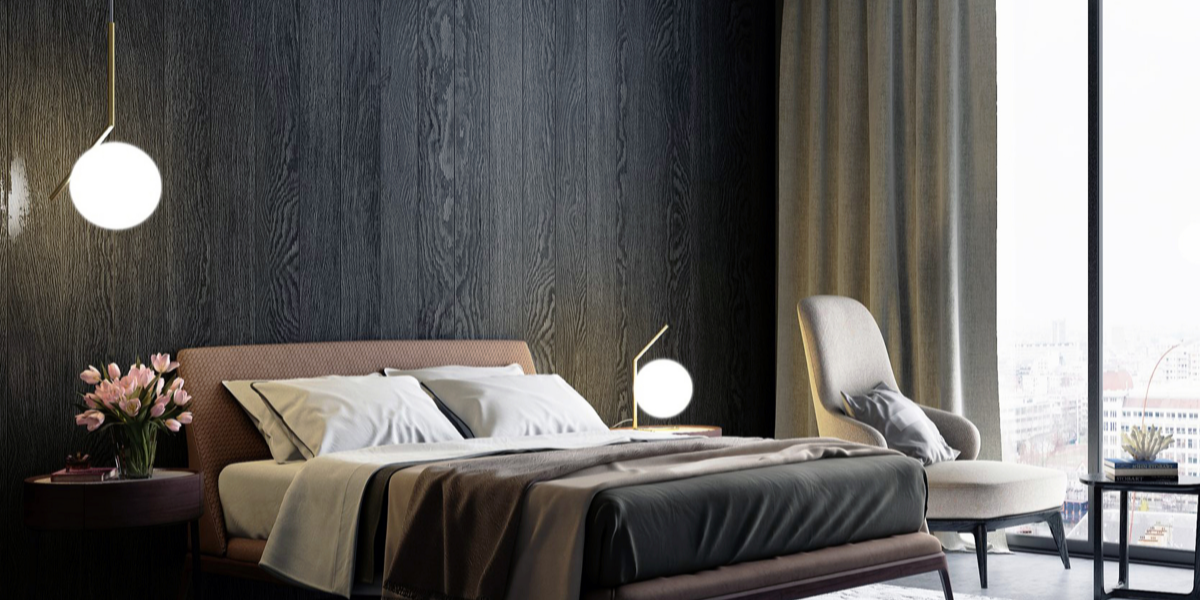
Dark rooms tend to feel smaller, older, and less inviting in both photos and person. Good lighting is one of the easiest ways to improve buyer perception quickly.
Open blinds and curtains to maximize natural light, but only if the view helps. If the window faces something unattractive, use clean window treatments to soften it while still letting light in. Replace burnt-out bulbs, and make sure colour temperature is consistent from room to room. A mix of cool blue bulbs and warm yellow bulbs feels off, even if buyers cannot explain why.
Lamps can help fill in dim corners, especially in basements or north-facing rooms. The goal is balanced light that makes the home feel open and easy to walk through.
Focus on the kitchen and bathrooms
You do not need a full remodel to improve the two rooms buyers judge hardest. In many homes, simple staging and cosmetic upgrades create enough lift to change the impression.
In the kitchen, clear counters, remove magnets and papers from the fridge, and store small appliances if possible. A clean backsplash, polished faucet, and uncluttered island can make the whole room feel updated. If cabinet hardware is dated, replacing it may be worth considering.
In bathrooms, think hotel standards. Crisp towels, spotless mirrors, a clean shower, and minimal products on the vanity work well. Replace worn bath mats and anything that feels tired. These are small details, but they shape how buyers read the condition of the home.
Do not ignore small repairs
One dripping faucet, one loose handle, one cracked switch plate - none of these are expensive. Together, they tell a story that buyers do not like. They suggest deferred maintenance, and that can lead buyers to wonder what bigger issues they are not seeing.
Before listing, handle obvious fixes: patch nail holes, touch up paint, tighten hardware, replace missing bulbs, and repair doors or drawers that stick. These jobs rarely feel urgent when you live in the home, but they matter a lot when buyers are evaluating value.
Stage for photos, not just showings
Most buyers will meet your home online first. If the listing photos do not create interest, some buyers will never book a showing. That is why staging should be planned with photography in mind.
Rooms should look balanced from the camera's perspective. That may mean moving furniture temporarily, removing extra decor, or simplifying surfaces more than you would for everyday life. Good photos are not deceptive when they reflect a clean, accurate version of the home at its best.
This is where a local strategy helps. In some markets, a polished presentation is the difference between getting lost among similar listings and standing out right away. A service-focused agent, like Fanis Makrigiannis Real Estate, will usually look at staging as part of the larger pricing and marketing plan, not as an isolated task.

Know when to spend and when to skip
Not every improvement has the same return. Deep renovations right before listing can be risky if the finish choices miss the market or the budget gets away from you. Usually, the best pre-sale investments are the ones buyers notice immediately and broadly appreciate: paint, lighting, cleaning, flooring touch-ups, landscaping, and selective staging.
If your home is already updated, the focus may be on presentation rather than upgrades. If it is dated but well kept, strategic staging can still help buyers see past cosmetics. And if the home is vacant, bringing in furniture for key rooms may be worth more than many sellers expect because empty rooms often feel smaller and harder to read.
The right answer depends on your price point, local competition, and timeline. That is why staging should support the sales strategy, not become a project with no clear limit.
Selling fast is rarely about one magic trick. It is usually the result of dozens of small signals that tell buyers this home is clean, cared for, easy to understand, and worth seeing right now. The best staging choices do exactly that - they reduce hesitation and make the next step feel simple.
About the author:

Fanis Makrigiannis is a trusted Realtor® with Revel Realty Inc., specializing in buying, selling, and leasing homes, condos, and investment properties. Known for his professionalism, market expertise, and personal approach, Fanis is a Real Estate agent in the Durham region and is committed to making every real estate journey seamless and rewarding.
He understands that each transaction represents a significant milestone and works tirelessly to deliver outstanding results.
With strong negotiation skills and a deep understanding of market trends, Fanis fosters lasting client relationships built on trust and satisfaction.
Proudly serving the City of Toronto • Ajax • Brock • Clarington • Oshawa • Pickering • Scugog • Uxbridge • Whitby • Prince Edward County • Hastings County • Northumberland County • Peterborough County • Kawartha Lakes